More Than Three Days: The Impact of Tulip Time 2026
For three days each May, Pella looks a little different.
The streets fill with Dutch costumes and marching bands. Food stands open their windows. Floats make their way down the parade route. Visitors wander through the Historical Village, climb to the top of the Vermeer Windmill, find a spot along Franklin Street, and stop to ask directions from someone who - more often than not - is volunteering their time to help.
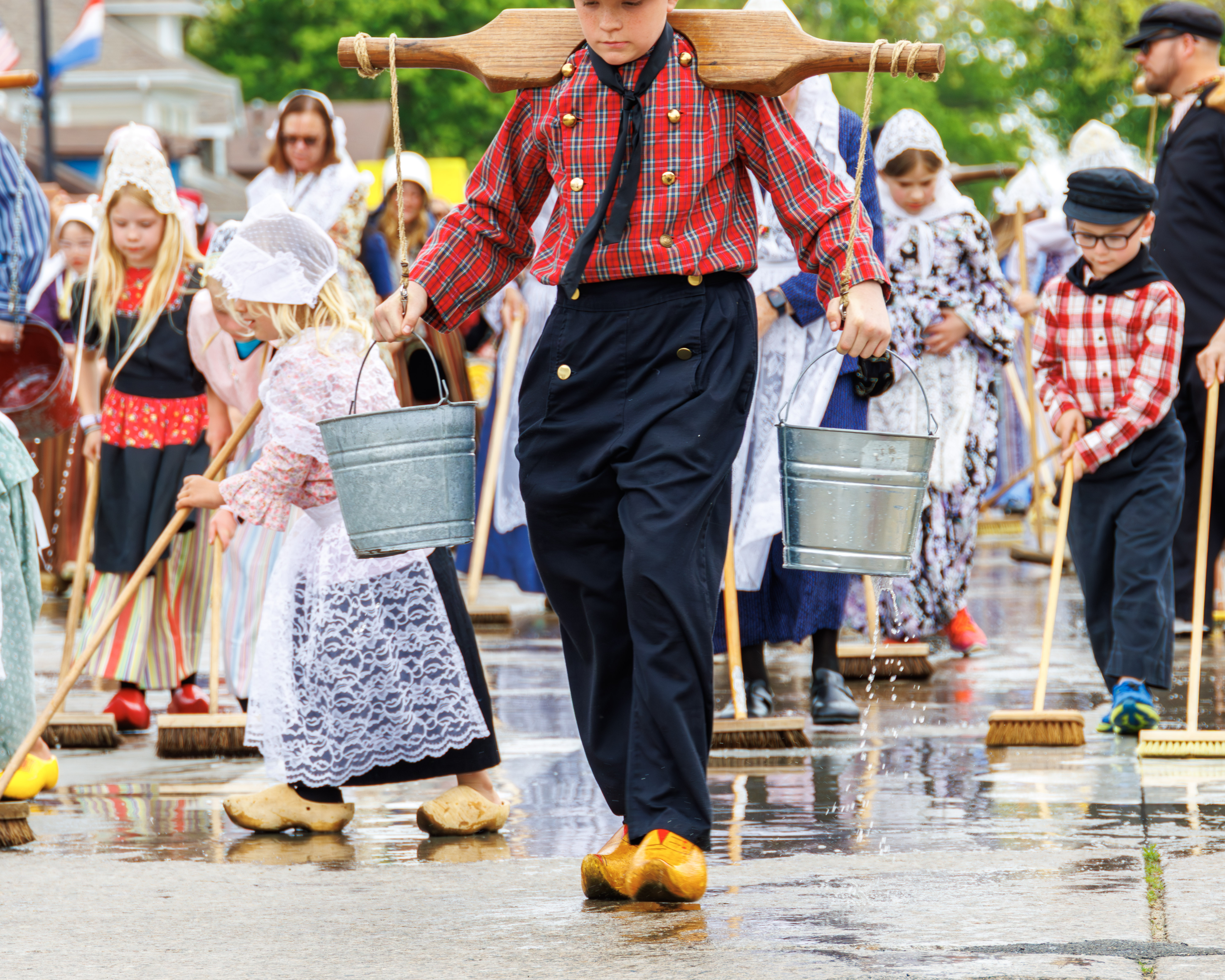
Then Saturday night arrives. The streets are scrubbed one last time, the final parade ends, and another Tulip Time is in the books. But the impact of Tulip Time lasts much longer than three days.
A Festival That Gives Back
Tulip Time is an important event for Pella Historical Museums, helping support the work we do throughout the year to preserve and share Pella’s history and Dutch heritage. But one of our favorite things about the festival is that its financial impact extends far beyond our organization.
In 2026, more than 30 nonprofit organizations benefited financially from Tulip Time. Schools, churches, service organizations, athletic groups, and other nonprofits raised funds through food stands, parking, and other festival opportunities, supporting their own missions in the process.
Local businesses benefit, too. For restaurants, retailers, lodging properties, and countless other businesses, Tulip Time brings thousands of people into our community to eat, shop, stay, and explore.
It’s one of the things that makes Tulip Time special: the festival’s success is shared throughout Pella.
What It Takes to Make Tulip Time Happen
Of course, producing a festival on this scale requires a significant investment.
Tulip Time generates important revenue through vendor commissions, museum admissions, grandstand seating, tours, parking, sponsorships, and other festival activities. That revenue helps offset the substantial cost of producing a three-day festival of this scale - and supports Pella Historical Museums’ year-round mission.
But those revenues tell only half the financial story. Pella Historical invested more than $200,000 in direct expenses to produce Tulip Time 2026. That included visitor support, parades and performances, floats and grandstands, tulip bulbs, marketing, transportation, and much more. And even that doesn’t capture the full cost of the festival. Those expenses do not include the thousands of staff hours spent throughout the year planning, preparing for, producing, and wrapping up Tulip Time.
Any funds remaining after festival expenses help support the year-round mission of Pella Historical Museums: preserving historic buildings and collections, providing educational experiences, and sharing Pella’s story. Memberships, donations, grants, and sponsorships remain essential to that work long after the last parade ends.
It Takes a Community
There’s another contribution to Tulip Time that is nearly impossible to put an exact number on: the people who make it happen.
Hundreds, if not thousands, of people give their time throughout the year and during festival week. They build and drive floats, wear Dutch costumes, perform, manage parking and barricades, welcome visitors, march in parades, scrub streets, and take on countless other jobs most festivalgoers will never see. At Pella Historical’s museum sites alone, volunteers filled more than 320 spots during Tulip Time 2026. Across the entire festival, the number of people who lend a hand is almost impossible to count.
Behind much of that work is our volunteer Tulip Time Steering Committee. Alan Geetings, Wes Chaplin, Jen Van Gorp, Anne Hellbusch, Cristy Roozeboom, Jamie Kendall, David Neumann, and Eric Recker work throughout the year alongside Pella Historical staff to guide the festival, coordinate its many moving pieces, and help Tulip Time continue to grow while honoring the traditions generations of Pella residents have built.
We’re also grateful for the businesses and organizations whose sponsorships help make beloved Tulip Time experiences possible, including free entertainment and activities enjoyed by visitors throughout the festival.
New Moments, Lasting Traditions
While Tulip Time is rooted in traditions that stretch back more than 90 years, every festival adds something new to Pella’s story.
This year, we welcomed Dutch Consul General Eric Strating and his wife, Henriette, to Pella. A new float, de Slagerswinkel, joined the parade, made possible by the Don & Lucille Van Wyk family and honoring Pella’s historic meat markets. We also celebrated the Wynberg-Dean Trolley Station and the transformational support of Jim & Marilyn Dean.
Those moments become part of a tradition that continues to change and grow with each generation. And perhaps that’s the best way to measure the success of Tulip Time.
It’s found in the nonprofit that reaches its fundraising goal. The business welcoming a packed house. The volunteer who spends an afternoon helping visitors find their way. The child wearing a Dutch costume for the first time. The family returning to Pella to continue a tradition generations in the making.
Pella Historical Museums is incredibly proud to steward Tulip Time, but we could never do it alone. To our volunteers, Tulip Time Steering Committee, sponsors, members, donors, community partners, businesses, City of Pella staff, performers, participants, and visitors: thank you. Your support makes Tulip Time possible and helps us preserve and share the history and traditions behind it all year long.
And before we know it, we’ll be doing it all again. We’ll see you May 6, 7, & 8, 2027!
Photo by Douglas Tupper Photography